
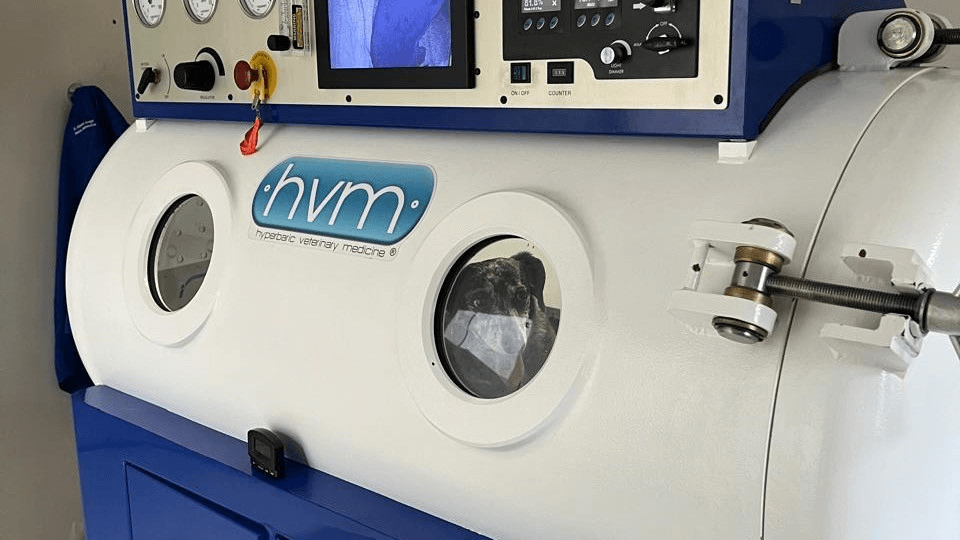
Hyperbaric Oxygen Therapy: A Strategic Ally Against Antimicrobial Resistance in Veterinary Medicine
In modern medicine, antimicrobial resistance has emerged as one of the greatest threats to both human and animal health. Veterinary medicine is no exception. The growing difficulty in treating resistant infections—particularly in severe cases such as sepsis—places veterinarians in extremely challenging situations. However, therapeutic advances like hyperbaric oxygen therapy (HBOT) are offering new hope, with results that are both promising and measurable.
As Director of Santa Mônica Veterinary Hospital (HVSM) in Curitiba, Brazil, I have seen first-hand the devastating impact of antimicrobial resistance in companion animals. Severe infections associated with sepsis are becoming increasingly frequent, and conventional treatments are not always effective. In certain cases, resistant bacterial infections require the use of carbapenem antibiotics such as meropenem—agents that must be reserved for only the most critical situations due to their potential public health impact and the importance of preserving the One Health balance.
How HBOT Addresses Severe Infections
HBOT has demonstrated exceptional effectiveness, safety, and well-documented benefits. By significantly increasing the partial pressure of oxygen within body tissues, it directly combats tissue hypoxia—one of the most serious obstacles to recovery in advanced infections.
- Enhanced Bactericidal Activity – Increases reactive oxygen species (ROS) at the infection site, damaging bacterial cell walls and DNA, making pathogens more susceptible to antibiotics.
- Improved Antibiotic Penetration – Improves tissue perfusion and drug absorption, allowing quinolones to penetrate more effectively into infected, poorly oxygenated, or ischemic areas.
- Amplified Mechanism of Action – Boosts quinolone efficacy by increasing bacterial metabolic activity and oxidative stress, enhancing inhibition of DNA gyrase and topoisomerase IV.
Tackling Biofilm-Associated Infections
The combination of HBOT and antibiotics is particularly valuable in treating biofilm-related infections, which are notoriously resistant to conventional therapy. HBOT disrupts the biofilm’s protective environment, reduces bacterial resilience, and improves antimicrobial penetration—making it a crucial tool in managing chronic and hard-to-treat infections.
Reducing Dependence on Last-Resort Antibiotics
One of HBOT’s greatest contributions is its role in slowing the spread of antimicrobial resistance. By improving treatment outcomes, it reduces the need for “last-resort” antibiotics such as carbapenems, safeguarding public health and protecting veterinarians, pet owners, and the broader community from dangerous drug-resistant pathogens.
Real-World Results at HVSM
At Santa Mônica Veterinary Hospital, we have seen excellent results with HBOT, particularly in cases of sepsis that were resistant to all antibiotics tested via conventional culture and sensitivity. Animals once considered terminal are now experiencing improved survival rates, faster recovery, and fewer complications.
A One Health Perspective
Investing in One Health means implementing solutions that address the interconnected well-being of animals, humans, and the environment. HBOT is a strategically in this mission—bringing innovation, safety, and hope to both patients and the veterinary teams who care for them. If you are a veterinarian in Curitiba or the surrounding region managing difficult sepsis cases in small animals, our HBOT unit at HVSM is available to support you. Our team is ready to collaborate on case management and share this technology that is transforming outcomes and saving lives.